

Get more out of your wind turbine with a battery
A BESS at the turbine earns money on the energy markets and lowers the imbalance bill, without touching the turbine's production. For single turbines and wind farms, new and old.
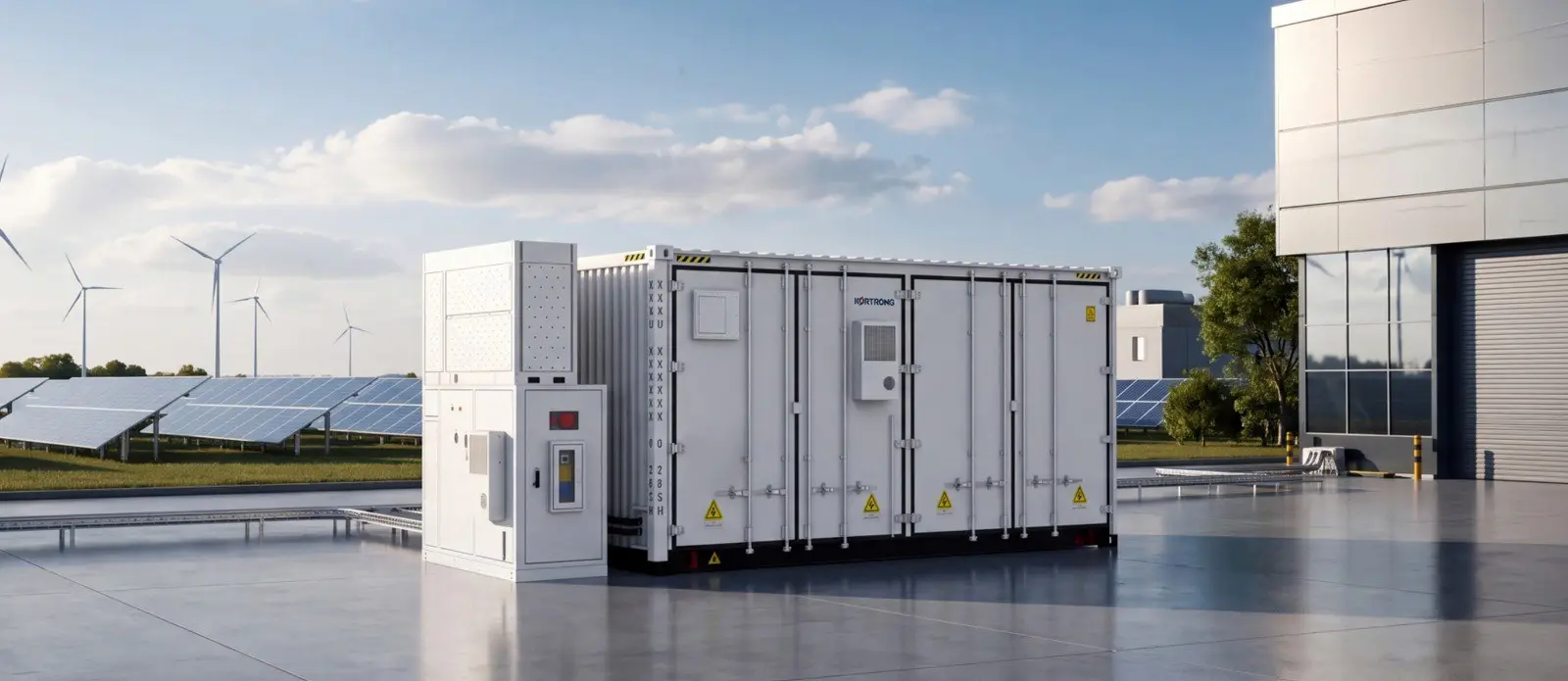
BESS for wind turbines
The wind decides, the battery moves the power in time
A wind turbine produces when the wind blows, not necessarily when power is worth the most. When production deviates from the forecast, the owner pays for the imbalances, and earnings rest on one leg: wind and power prices.
With a battery on the same site, the turbine gets a second leg to stand on. The battery buys power when it is cheap, sells it when the price is high, and is paid to stand ready to balance the grid. At the same time it can cover part of the turbine’s deviations, so the imbalance bill gets smaller.
- New revenue from arbitrage and grid services
- Lower imbalance costs
- The turbine keeps producing as before
- For single turbines and wind farms, new and old
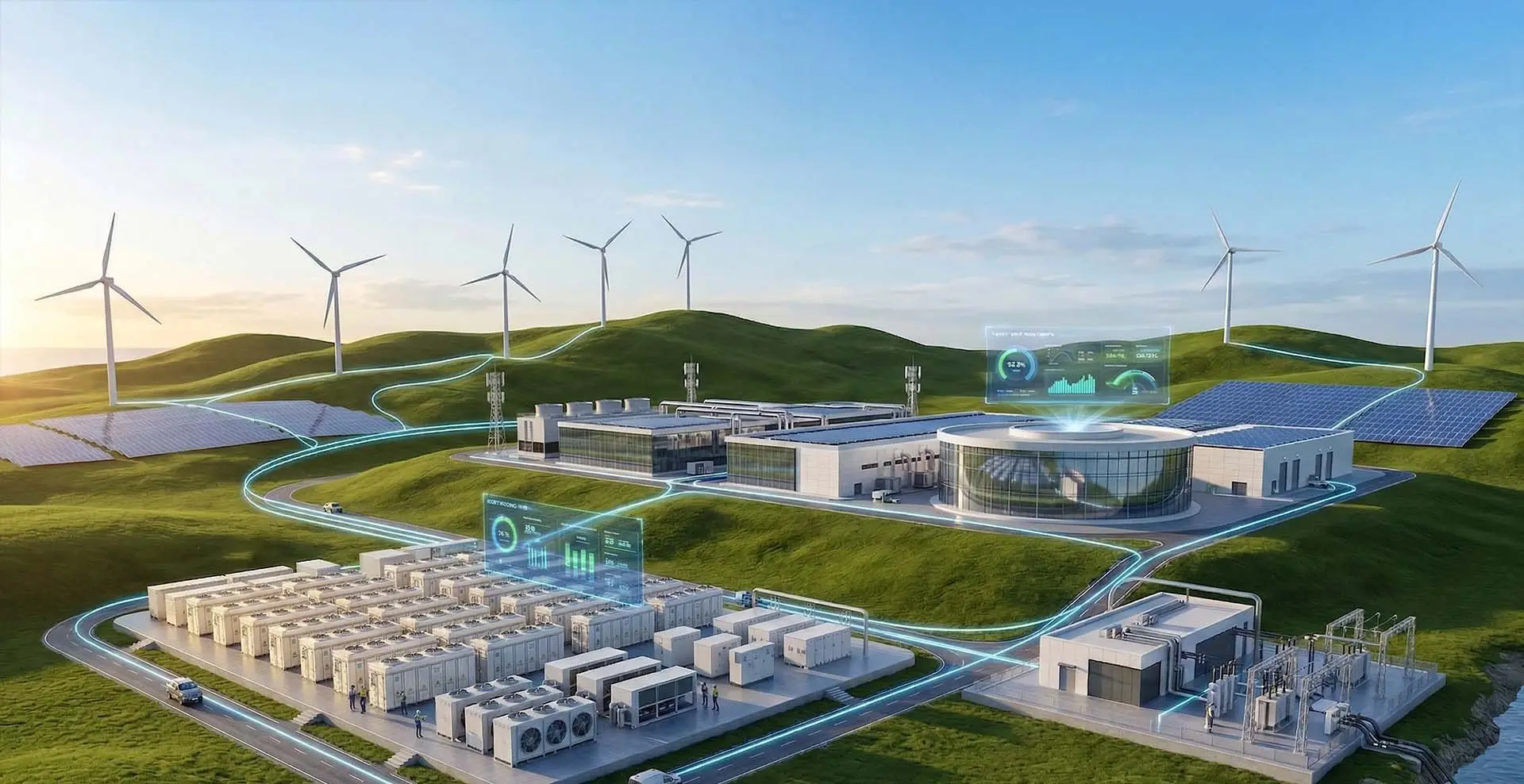
The starting point
From one revenue stream to two legs to stand on
The turbine and the battery share the site and the 10 kV connection and complement each other. The turbine generates, the battery decides when the power is sold.
The wind turbine today
- Production follows the wind The turbine cannot move its production to the hours when power is worth the most.
- Imbalances cost money When production deviates from the forecast, the owner pays for the imbalances.
- One revenue stream Earnings depend on wind and power prices alone.
Wind turbine + battery
- Arbitrage and grid service revenue The battery buys cheap and sells high, and is paid to stand ready to support the grid.
- Lower imbalance costs The battery can cover the turbine's deviations and reduce the imbalance bill.
- Two legs to stand on The turbine and the battery share the site and the 10 kV connection and complement each other.
A concrete example: 750 kW wind turbine
How the turbine and the battery work together
The example is a NEG Micon 750 kW onshore wind turbine with a 500 kW / 1,044 kWh immersion-cooled battery system, AC-coupled to the turbine's existing 10 kV connection.
Swipe sideways to see the whole diagram
The turbine runs as today
Production and the existing transformer (0.69/10 kV) continue unchanged.
Arbitrage
The battery charges when power is cheap and sells when the price is high.
Grid service revenue
The battery is paid to stand ready to balance the grid (ancillary services).
The battery evens out imbalances
Deviations between forecast and production are partly covered by the battery.
One combined settlement
An aggregator handles trading, balance responsibility (BRP) and settlement for a 10 % fee.
The system in the example
500 kW / 1,044 kWh, sized to the turbine
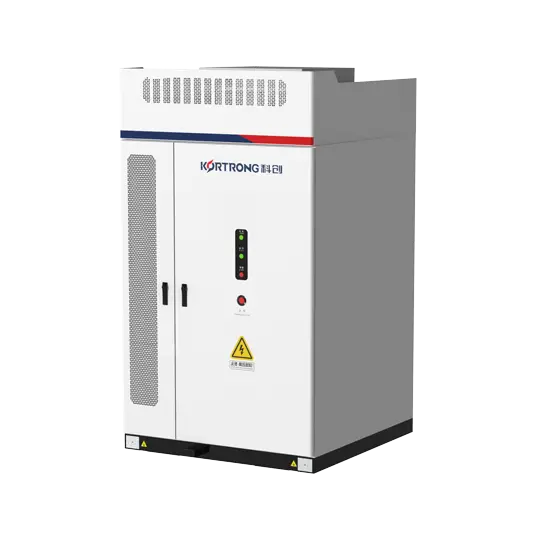
In the example the battery system consists of four immersion-cooled battery cabinets of 125 kW / 261 kWh each. Together they deliver 500 kW and 1,044 kWh.
The size and capacity of the system are always sized to the individual turbine's size, production profile and the specific needs of the project. The solution fits single turbines and wind farms alike, new and older installations.
- Battery cabinets
- 4 × 125 kW / 261 kWh
- Total power and capacity
- 500 kW / 1,044 kWh
- Cells
- LFP (lithium iron phosphate), 314 Ah
- Discharge
- Approx. 2.1 hours (C-rate 0.48)
- Grid connection
- 250 kW, full charge in approx. 4.2 hours
- Cooling and enclosure
- Immersion, IP55 / C5
Safety
Immersion cooling makes the battery safe to place at the turbine
The battery cells operate fully submerged in a non-conductive, non-flammable fluid. That is a major advantage for a system that stands unmanned out at the turbine year after year.
Contact usFire risk removed
The cells operate fully submerged in insulating coolant, which prevents thermal runaway.
Triple thermal defence
Dielectric fluid, inert gas and water sprinkling keep the temperature below 80 °C.
Even cell temperature
ΔT ≤ 2 °C between cells removes imbalances in the system.
Longer lifetime
+30 % against air-cooled and +13.6 % against cold-plate-cooled batteries.
Built to stand outdoors
The cabinets are IP55-sealed and in corrosion class C5, for placement in open country.
Certified
Tested to IEC 62619, UL 9540A and UN38.3, among others.
The potential in the example
The base case for a 750 kW wind turbine
Calculated for a 500 kW / 1,044 kWh battery system at a NEG Micon 750 kW onshore turbine. The figures are an example; your own case depends on the turbine, the grid connection and market prices.
- DKK invested in the battery system
- 3.3m
- DKK profit in year 1 (approx.)
- 790,000
- payback period
- 4.2 yrs
- DKK total profit over 15 years
- 8.2m
Next steps
From the first assessment to revenue from the battery
The first step is a free, no-obligation initial assessment for your turbine, with an offer and a project overview.
Trin 1: Initial assessment
A free, no-obligation offer and project overview: the financial and technical basis for going ahead.
Trin 2: Grid connection
Clarifying the consumption connection and agreement with the grid company.
Trin 3: Financing and agreement
Choice between cash purchase and DLL leasing. Final offer and contract.
Trin 4: Installation
Delivery, installation and commissioning of the battery system.
Trin 5: Revenue
The system is in operation and you start receiving revenue from arbitrage and grid services.
Your own report
A tailored decision basis for your turbine
After the initial assessment you receive a report with the figures for your turbine, ready to base a decision on. The report is free and without obligation.
- Tailored to your turbine: your prices, your grid connection and your ownership
- Cash purchase and leasing side by side, year by year, so cash flow is clear
- Three scenarios: cautious, expected and upside
- One combined basis for you, your bank and your auditor
Customer report · decision basis
Battery system at your wind turbine
500 kW / 1,044 kWh · NEG Micon 750 kW
Example- Total investment
- DKK 3.30m
- Profit in year 1 (DKK)
- c. 790,000
- Payback
- 4.2 yrs
- Profit after 15 years
- DKK 8.2m
Cumulative profit over time
Read on
Other solutions and technologies
BESS and AIDC belong together, and the cooling technology decides safety, lifetime and economy alike.
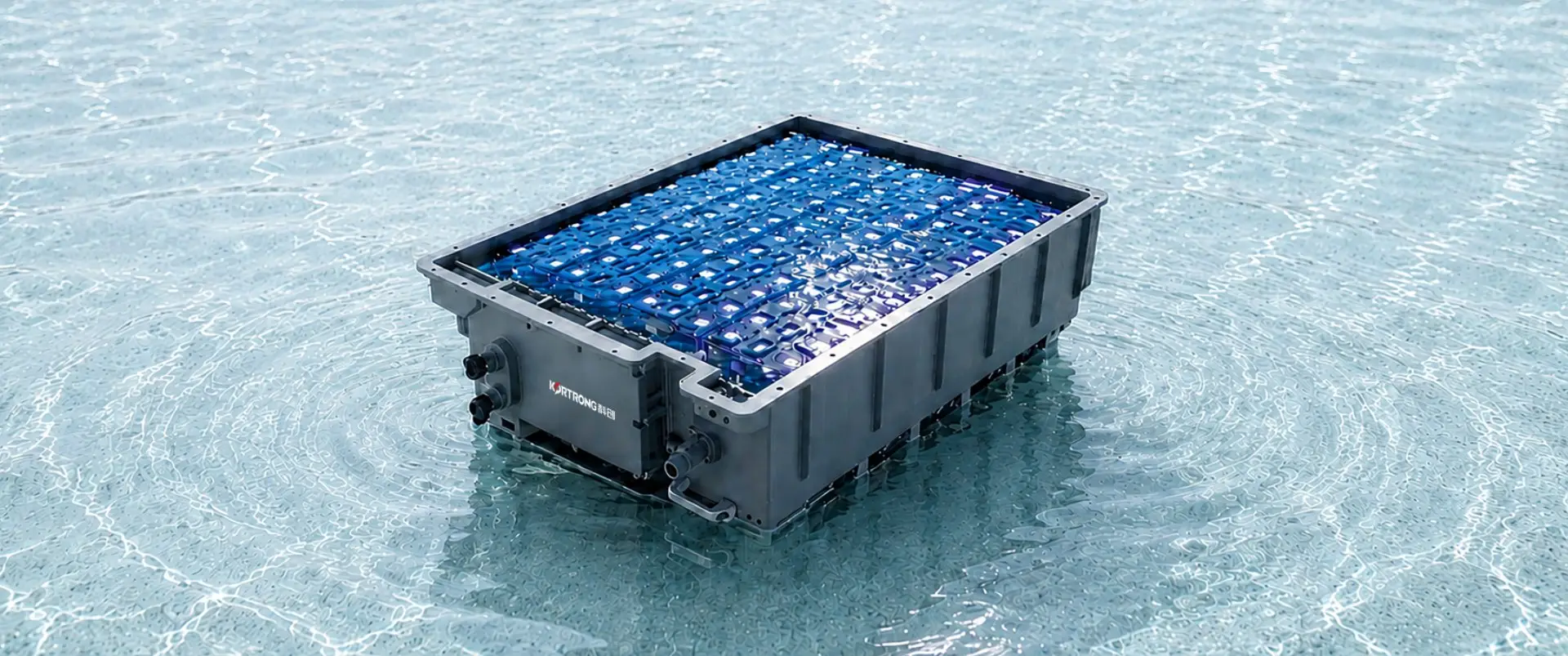 Immersion cooling Cells submerged in dielectric fluid for higher safety and longer lifetime. Read more about Immersion cooling
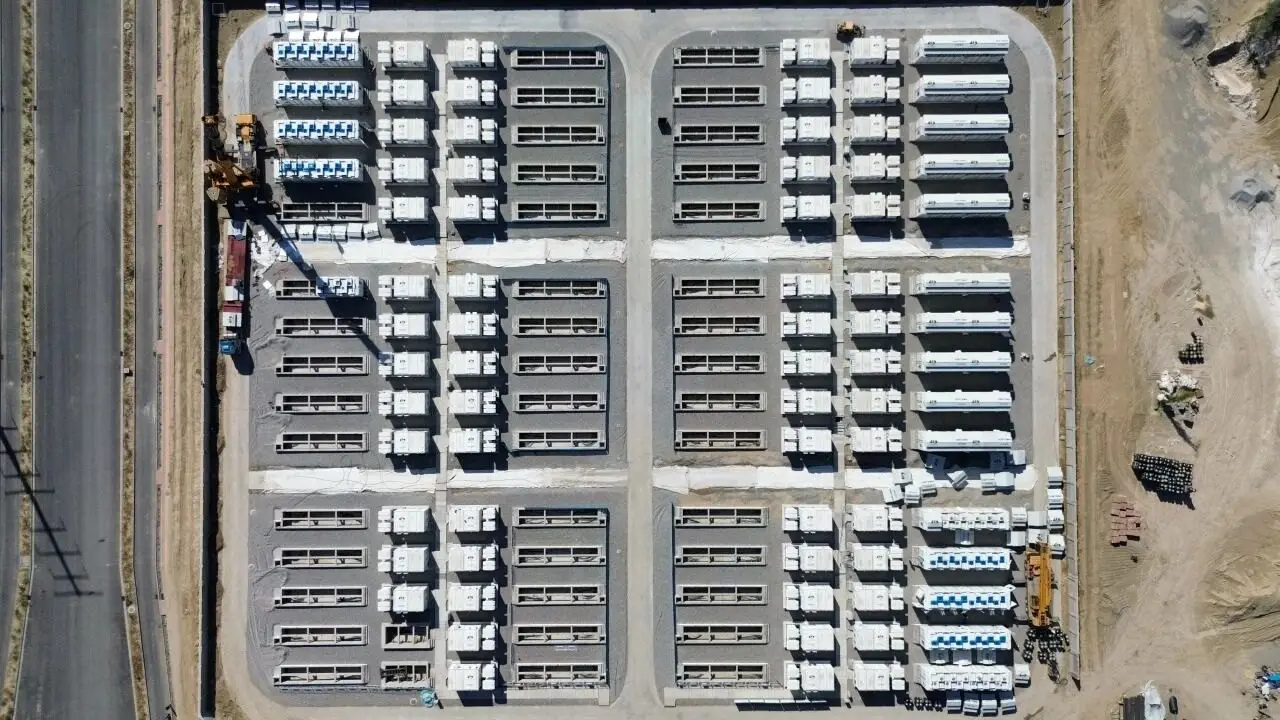 BESS Battery storage for grid stabilisation, peak shaving, backup and energy trading. Read more about BESS
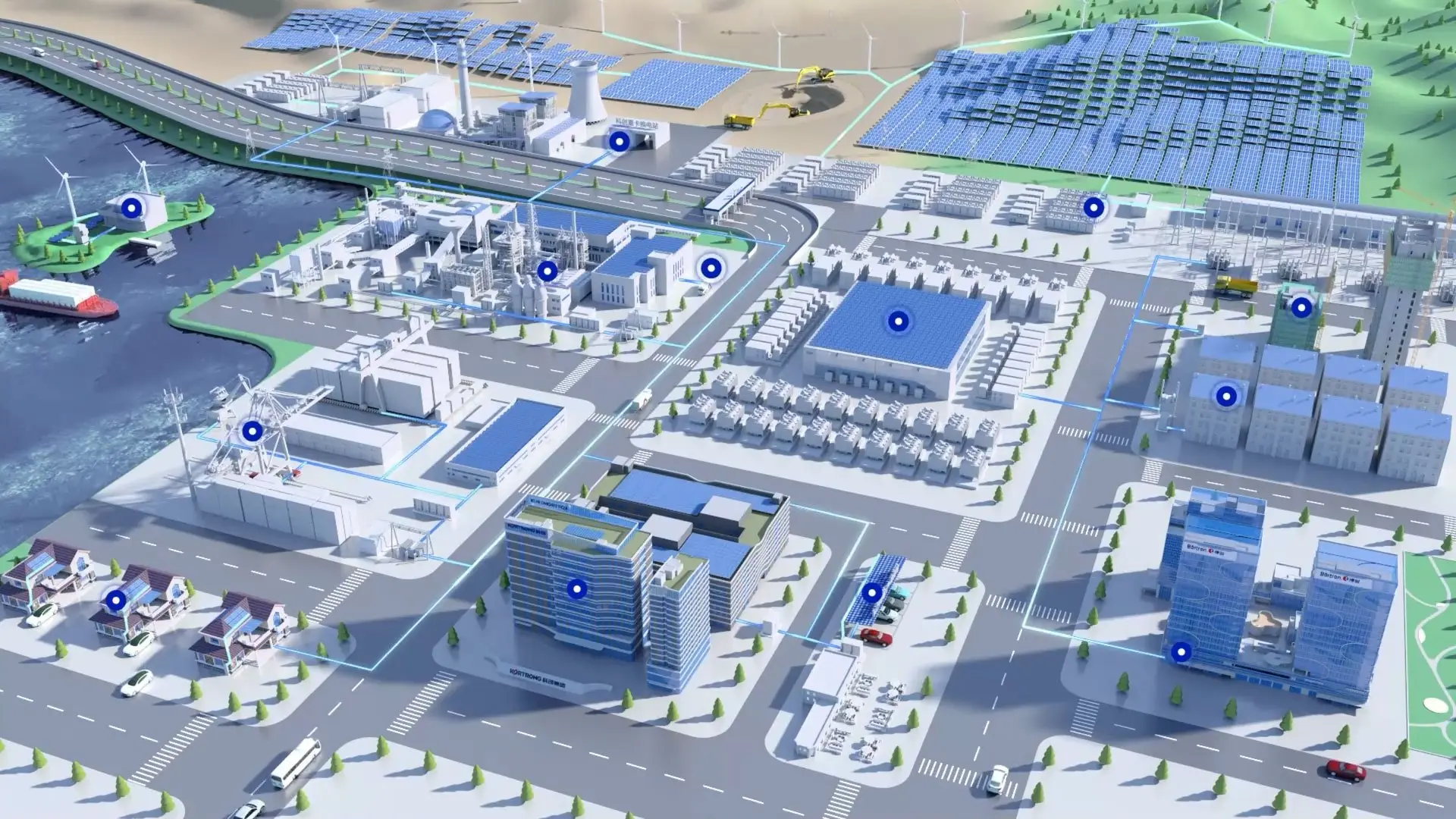 Critical infrastructure Backup power and island mode for hospitals, production and critical functions. Read more about Critical infrastructure
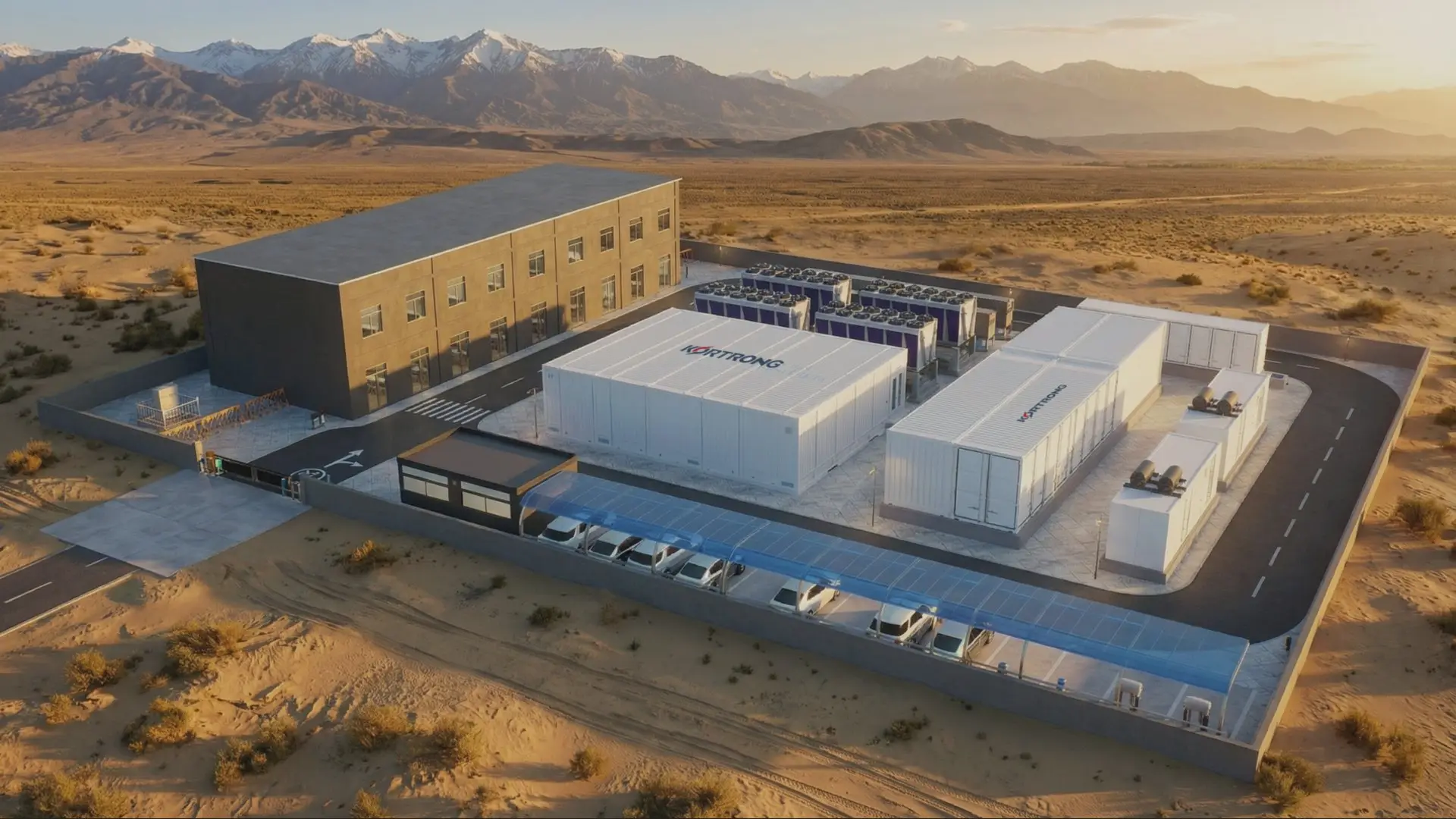 AIDC Energy infrastructure, storage and redundancy for AI data centres. Read more about AIDC
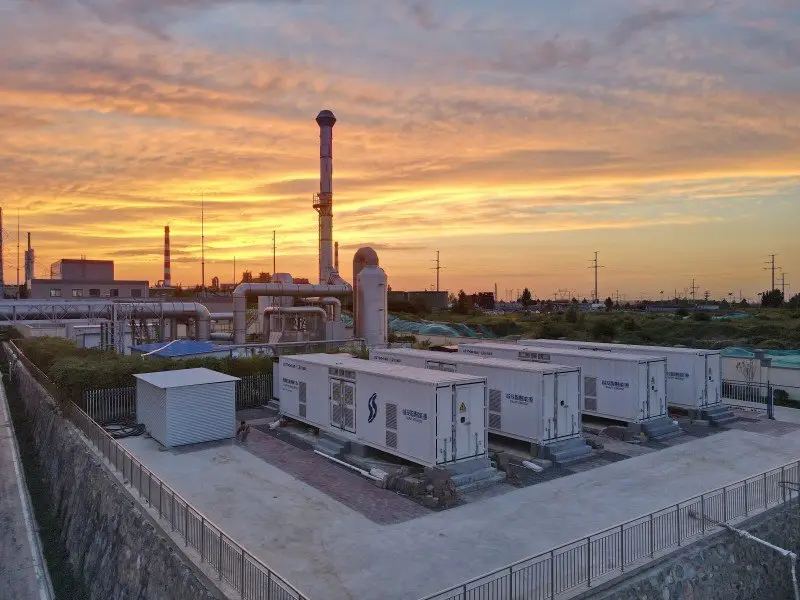 Liquid cooling Cold plate cooling for compact, integrated BESS units. Read more about Liquid cooling
What could a battery earn at your turbine?
Tell us about the turbine and we will make a free, no-obligation initial assessment with an offer and a project overview. For single turbines and wind farms, new and old.